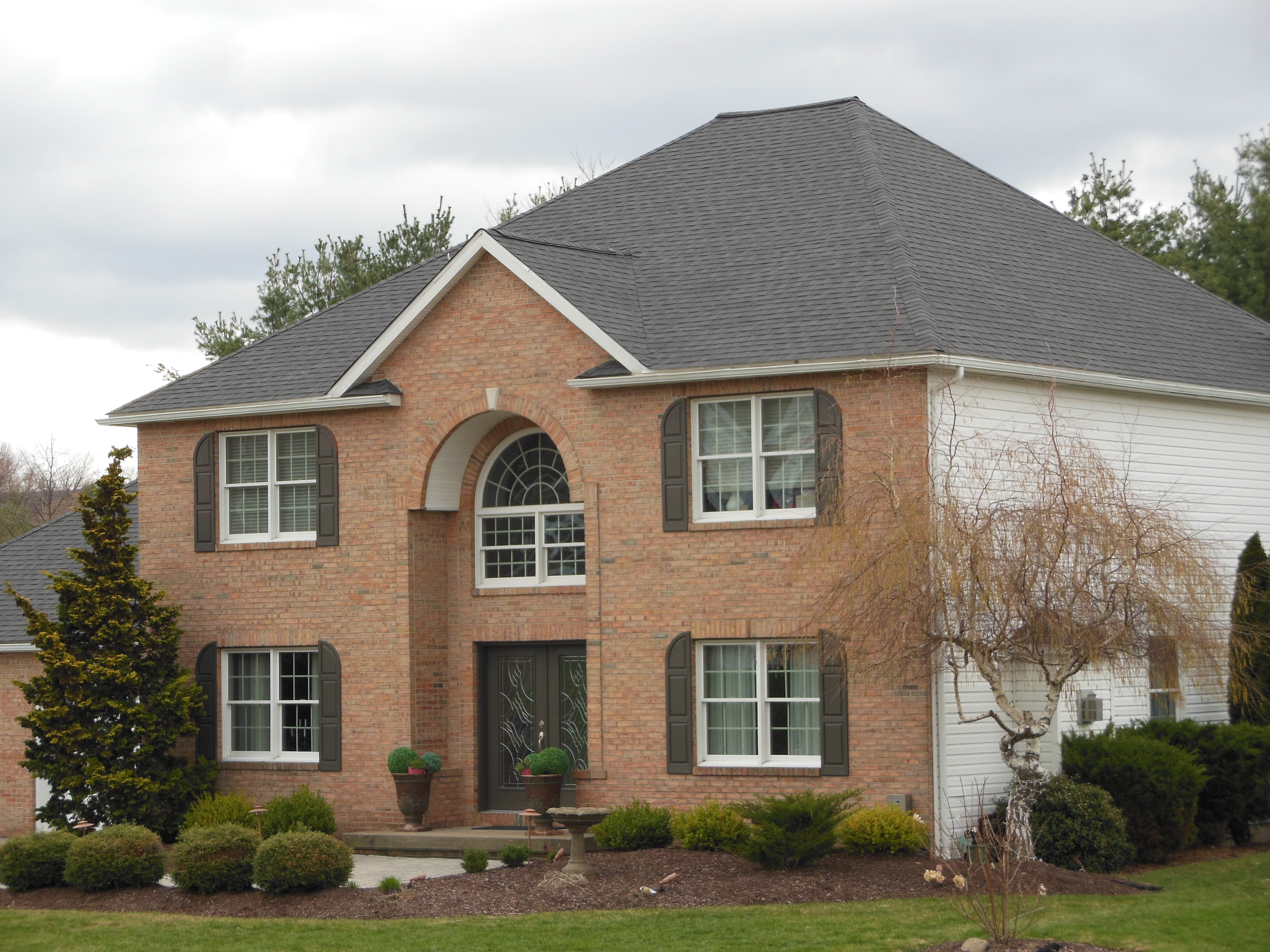
Soffit and Fascia Rot
Soffits and fascia boards frame the eave overhang and provide the substrate for gutter attachment. When water infiltrates this zone, from gutter overflow, ice dams, or failed drip edge, the wood rots, gutters detach, and water can enter the wall cavity.
Symptoms to Look For
- Peeling or flaking paint on the fascia board face
- Soft or spongy areas when pressing on the soffit face
- Gutters pulling away from the fascia
- Visible staining or rot on exposed wood at the eave
Common Causes
- Gutters overflowing or backing up against the fascia
- Ice dam meltwater migrating behind the gutter and into the fascia
- Failed or missing drip edge allowing water to wick into the decking edge
- Woodpecker damage or insect infestation in the soffit cavity
.jpg)
Repair or Replace?
Soffit and fascia repairs are typically done in conjunction with gutter replacement or re-roofing. Replacing rotted fascia and installing new aluminum-wrapped fascia or PVC fascia board eliminates the maintenance cycle. Full soffit replacement (perforated aluminum or PVC) improves attic ventilation simultaneously.
Soffit and Fascia Rot in northeastern Pennsylvania
Soffit and fascia damage is nearly universal on homes that have experienced ice dam damage in NEPA. The combination of heavy winter moisture and the older wood soffits on pre-1980 homes makes this a common secondary repair alongside roof work.
Areas Where We Fix Soffit and Fascia Rot
Dealing with Soffit and Fascia Rot?
Don't wait. Call ShingleMe for a free inspection, we'll diagnose the problem and give you a straight answer.