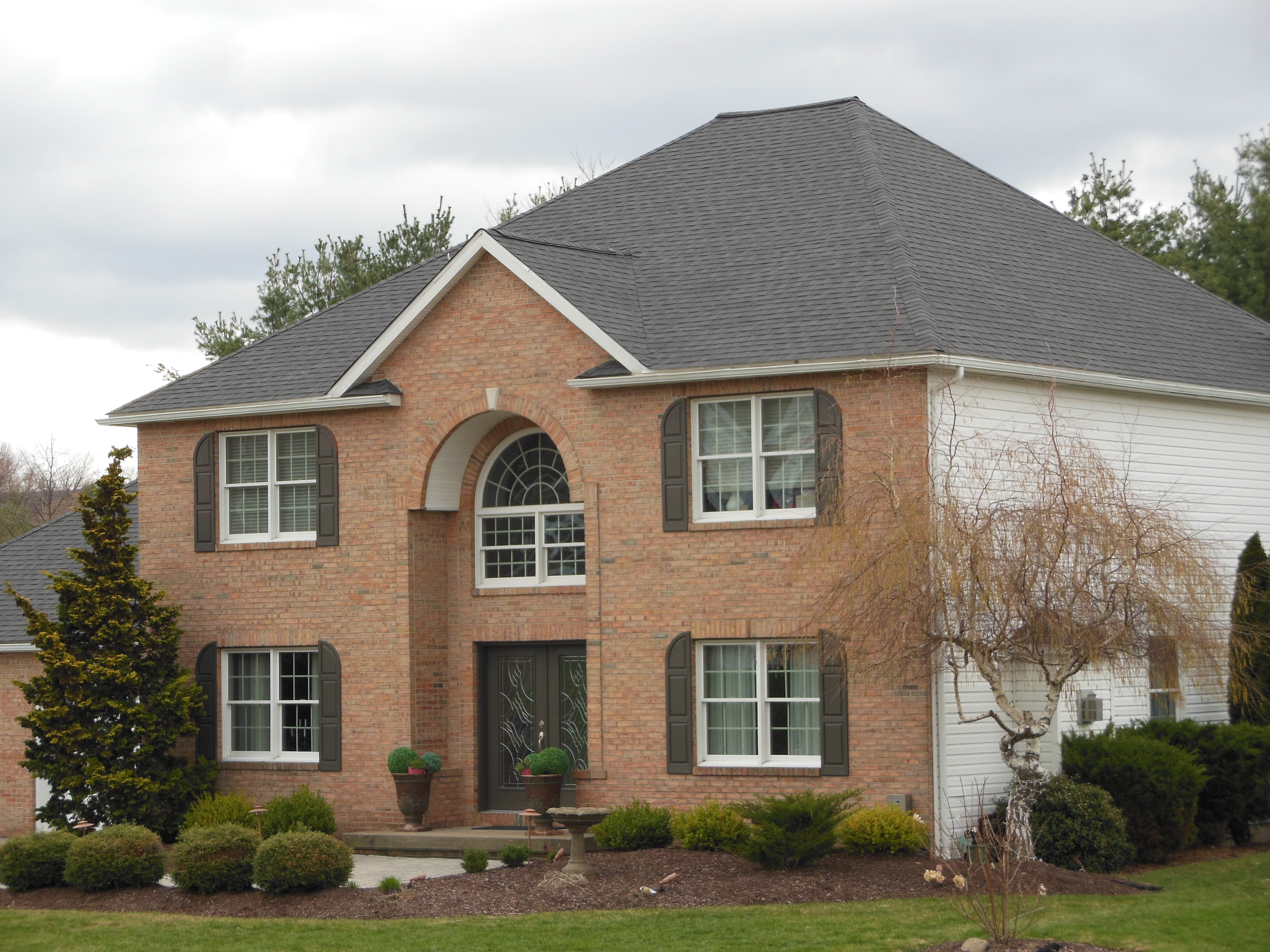
Roof Ventilation Ridge Cap Failure
The ridge cap is both the uppermost weather barrier and, in modern homes, the primary exhaust vent for the attic. Failed ridge cap shingles or a compromised ridge vent allows wind-driven water and pests to enter at the highest point of the roof.
Symptoms to Look For
- Missing or lifted ridge cap shingles
- Ridge vent slots blocked with debris or old insulation
- Visible gaps along the ridge when viewed from the attic
- Wind noise or drafts in the attic during storms
Common Causes
- Wind uplift on improperly nailed ridge cap tabs
- Age-related brittleness causing ridge caps to crack at the bend line
- Ridge vent installation that cut the decking but used no baffle protection
- Ice dam formation at the ridge on improperly ventilated roofs
.jpg)
Repair or Replace?
Ridge cap replacement is a relatively contained repair, typically done at re-roofing but serviceable as a standalone job when the main field of the roof is still in good condition. Ridge vent upgrades should include baffling to prevent insulation from blocking airflow.
Roof Ventilation Ridge Cap Failure in northeastern Pennsylvania
The ridge is the most wind-exposed part of the roof, and NEPA's high-wind events regularly test ridge cap adhesion. On older three-tab shingle roofs, ridge caps are typically the first section to fail due to the sharp bend angle over the ridge board.
Areas Where We Fix Roof Ventilation Ridge Cap Failure
Dealing with Roof Ventilation Ridge Cap Failure?
Don't wait. Call ShingleMe for a free inspection, we'll diagnose the problem and give you a straight answer.